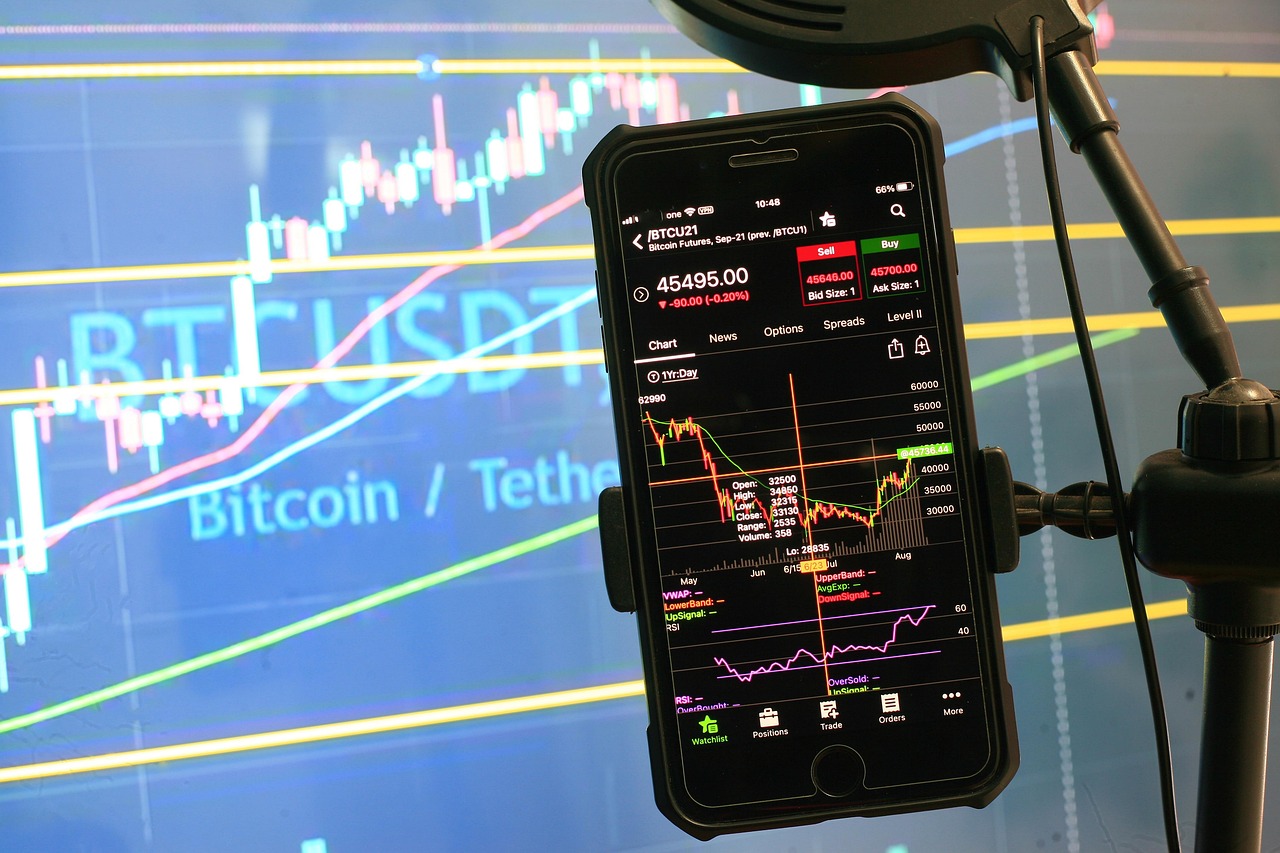
Bitcoin is holding firmly near the $75,000 mark, supported by persistent institutional demand even as short-term holders look for their first real profit-taking window in weeks.
Price Action: A Tug-of-War at $75K
BTC spent most of Thursday oscillating in a tight range around $75,000, a level that has acted as both a magnet and a ceiling for several sessions. The price stability masks a more dynamic picture beneath the surface — a clear handoff between short-term traders looking to lock in gains and long-term institutional buyers willing to step in at current levels.
The takeaway: $75,000 is where two very different kinds of capital meet. On one side, short-term holders who accumulated between $68,000 and $73,000 are now sitting on profits and scanning for exit opportunities. On the other, ETF flows and institutional desks continue to absorb whatever supply hits the market.
Short-Term Holder Behavior
On-chain data tells the story most clearly. Short-term holders — wallets holding coins for fewer than 155 days — are now trading at or slightly above their average cost basis. Historically, this is the zone where these traders begin to distribute, either to realize gains or to rotate into other assets.
Exchange inflows have jumped meaningfully in response. Hourly inflow to centralized exchanges spiked to roughly 11,000 BTC per hour at one point this week, a sharp acceleration that often signals incoming sell pressure. In prior cycles, inflow spikes of this magnitude have preceded short-term pullbacks of 3% to 8%.
Yet the market has not cracked. Every time supply hits the order book, it is being met with patient, deep bids.
ETF Demand: The Structural Bid
What is different about this cycle — and what is keeping Bitcoin anchored near its highs — is the persistent buying pressure from spot Bitcoin ETFs. Institutional allocators treating BTC as a strategic portfolio component are not chasing momentum; they are dollar-cost-averaging into scheduled flows regardless of daily price action.
That structural bid is exactly what is letting Bitcoin absorb short-term holder distribution without breaking support. In previous bull cycles, a comparable surge in exchange inflows would typically crash the price. In 2026, the ETF complex is effectively functioning as a sponge.
What to Watch Next
Three signals will tell the story over the next few sessions:
- Can $75,000 hold as support, not just resistance? A clean flip — closing multiple daily candles above $75K with strong volume — would likely trigger a next leg higher toward $80,000.
- Do exchange inflows normalize? If hourly inflows drop back below 5,000 BTC/hr, the short-term holder distribution wave is largely done.
- ETF net flows. Continued positive daily net inflows would confirm the institutional bid is intact. Any stretch of outflows — especially three or more consecutive days — would shift the short-term setup from constructive to cautious.
The Bigger Picture
The current setup is a textbook example of a healthy consolidation. A market that can absorb profit-taking from recent buyers without losing key levels is one that has built a strong foundation for the next move higher. For traders, the message is simple: stay disciplined, respect the range, and let the tape confirm the breakout before chasing.
For long-term holders, the thesis is unchanged. Institutional adoption is still in early innings, supply dynamics remain tight after the 2024 halving, and every episode of short-term pressure that the market absorbs makes the structural case for Bitcoin stronger.
Trade Bitcoin and other crypto pairs with AI-powered precision on Athena Trading — free to use, with a 20% lifetime Bybit fee discount.